
Stop Standard Drift with NFPA Alignment

The modern fireground is evolving faster than ever. Synthetic fuels burn hotter. Lightweight construction fails sooner. Call complexity continues to rise. Yet the time available for firefighter training has not increased. For many departments, the real challenge isn’t access to information; it’s filtering through the noise.
Between changing NFPA standards, online content, social media tactics, and well-intentioned “tricks of the trade,” maintaining consistent, defensible firefighter training has become more complex than ever. That’s why many departments are re-evaluating their firefighter training programs to ensure alignment, accountability, and operational consistency. And when consistency erodes, something more dangerous begins to surface: standard drift.
Why Consistency Matters in Modern Firefighter Training
Consistency is the backbone of effective fire department training programs. When firefighters train differently across shifts or stations, predictability disappears. Expectations blur. Small variations compound over time. What begins as minor instructional differences can lead to operational confusion on the fireground.
For Fire Chiefs and Training Officers, inconsistent firefighter training introduces three serious risks:
- Reduced operational predictability
- Increased legal and liability exposure
- Documentation that may not stand up to scrutiny
In today’s environment, firefighter competency must be measurable, repeatable, and defensible.
 What Is Standard Drift in Fire Training?
 What Is Standard Drift in Fire Training?
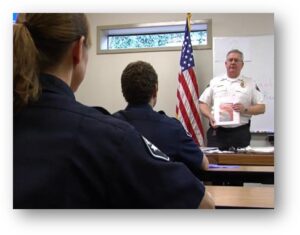
Standard drift is the gradual shift away from validated, standards-based firefighter training toward informal or preference-based instruction. It happens subtly. An instructor teaches a skill “their way.” A shortcut replaces a foundational method. A crew defaults to habit instead of NFPA Job Performance Requirements (JPRs).
Individually, these changes feel harmless. Over time, they create inconsistency across the entire fire training curriculum. Experience is invaluable. But teaching “a way” instead of “the way” introduces unnecessary risk. The solution isn’t limiting experience. Instead, it anchors firefighter training to standards that provide structure and defensibility.
How NFPA-Aligned Firefighter Training Prevents Risk
The strongest protection against standard drift is alignment with NFPA Job Performance Requirements. When firefighter training is tied directly to NFPA standards:
- Skills are taught consistently across instructors
- Competency becomes measurable
- Documentation becomes defensible
- ISO reviews and accreditation processes become smoother
- Departments reduce liability exposure

In addition, recent consolidations such as NFPA 1010 and 470 have increased confusion for many departments. Programs like NFPA 470-aligned HAZMAT training simplify compliance by mapping directly to updated standards. As a result, departments avoid rebuilding their curriculum from scratch.

Protecting Drill-Ground Time with Blended Fire Service Training
One of the most valuable resources in firefighter training is hands-on time. Firefighters do not master skills by sitting through lectures. They master skills through repetition, coaching, and scenario-based application. Blended fire service training protects drill-ground time by moving foundational knowledge into structured digital learning. Consequently, in-person sessions focus on skill application.

This allows departments to focus in-person training on:
- Tool handling and repetition
- Scenario-based firefighter competency
- Instructor feedback
- Building muscle memory
When firefighters arrive prepared, hands-on sessions become more productive. More importantly, they become measurable.
Validating Competency — Not Just Completion

A common concern with online firefighter training is “pencil-whipping.” Too many systems allow members to click through content without meaningful engagement. Documentation alone does not equal competency. Standards-based firefighter training should require active participation and measurable validation before progression. Engagement checkpoints and structured assessments ensure that firefighter continuing education reflects real understanding, not passive attendance.
For Training Officers, this strengthens confidence that records will stand up to audits, ISO evaluations, or post-incident scrutiny.
 Navigating NFPA 1010 and 470 Updates with Confidence
 Navigating NFPA 1010 and 470 Updates with Confidence
NFPA consolidation has left many departments wondering how to maintain compliance without overhauling their entire fire department training program. Structured correlation guides that map training directly to updated standards eliminate the burden of manual curriculum redesign.
This supports:
- ISO fire department training documentation
- Accreditation readiness
- Internal audits
- Legal defensibility
Departments don’t need more content. They need clarity, alignment, and structure.
Why Independent, Standards-Based Firefighter Training Matters
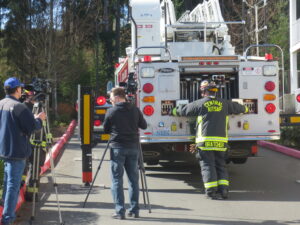
For nearly four decades, Action Training Systems has remained independent and focused solely on the fire service. This independence matters. It allows ATS to develop firefighter training programs alongside chiefs and training officers. Content is created in real training environments. Decisions are driven by operational realities, not outside investors. That is one reason many departments explore why departments choose ATS as their long-term training partner.
For nearly 40 years, departments across the country have trusted ATS to strengthen firefighter competency and protect their training investment.
The One Variable We Can Control
Emergency incidents are unpredictable. Building materials evolve. Call complexity increases. But firefighter training remains the one variable departments can fully control.
Consistency in training leads to consistency in performance.
Consistency in performance builds confidence.
Confidence under pressure saves lives.
Standard drift may begin subtly, but its consequences are not subtle. Departments that anchor firefighter training to validated standards protect their people, their leadership, and their communities. Because when the tones drop, preparation should never be the weak link. And at the end of every shift, the mission remains the same: Build competent, confident responders, and ensure everyone goes home safely.
 Training FAQs
 Training FAQs
What is standard drift in firefighter training?
Standard drift is the gradual move away from validated, NFPA-aligned firefighter training toward informal or preference-based instruction, leading to inconsistency and increased risk.
How do NFPA standards impact training programs?
NFPA standards establish Job Performance Requirements (JPRs) that define measurable competency. Aligning firefighter training to these standards improves defensibility, consistency, and accreditation readiness.
What makes firefighter training defensible?
Defensible firefighter training is structured, documented, aligned to NFPA standards, and includes measurable validation of competency, not just attendance records.
How can fire departments protect drill-ground time?
Blended fire service training models move foundational knowledge into digital learning, allowing in-person sessions to focus on repetition, coaching, and skill mastery.
Strengthen Your Training Program Today
If you’re evaluating your fire department training program, or navigating new NFPA requirements, Action Training Systems can help.
Explore our standards-aligned firefighter training programs and see how we help departments:
- Eliminate standard drift
- Protect drill-ground time
- Validate firefighter competency
- Strengthen defensibility
Visit www.action-training.com or contact our team to discuss your department’s training goals.


