
Bridging the Training Gap: What Firefighters Want and How Training Officers Can Respond
Every fire department emphasizes the importance of training. But what do firefighters actually experience—and what can Training Officers do when time, staffing, and resources are limited?
In FireRescue1’s 2026 What Firefighters Want report, more than 1,300 firefighters shared their perspectives on training quality, participation barriers, and preparedness. The findings point to a familiar challenge: firefighters want opportunities to improve their skills, but departments face real obstacles to delivering consistent, effective training.
For Training Officers, the question is not simply how to fit more training into the schedule. It is how to make the time available count.
1. Firefighters Want to Improve, but Training Quality Has Room to Grow
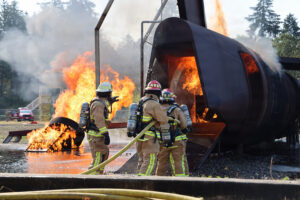 The survey highlights a strong commitment to professional development across the fire service:
-
81% of respondents identified improving their skills as their primary motivation for self-directed training.
-
93% had earned at least one formal certification in the previous five years.
Yet only 37% rated their department’s training quality as “very good” or “excellent”.
These findings suggest an opportunity for departments to examine not only how often training takes place, but also how effectively it prepares firefighters for their responsibilities. Clear learning objectives, organized instruction, opportunities to practice, and meaningful evaluation can help make training time more productive.
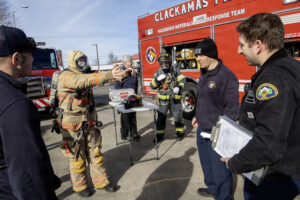
2. Time & Staffing Make Consistent Training Difficult
When asked about barriers to training, respondents pointed to competing demands and limited resources:
-
60% cited scheduling conflicts or lack of time.
-
45% identified staffing levels and call coverage as significant barriers.
-
33% pointed to limited access to facilities or training props.
For Training Officers, these challenges are familiar. Emergency calls interrupt planned sessions, staffing requirements limit participation, and some subjects require facilities or equipment that aren’t always available.
The answer isn’t necessarily to schedule longer training sessions. It may be to organize instruction into manageable segments, use available station time effectively, and combine classroom learning with hands-on practice when appropriate. Well-structured training materials can help instructors prepare efficiently while keeping learning objectives and evaluation in focus.
3. High-Risk, Low-Frequency Topics Need Continued Attention
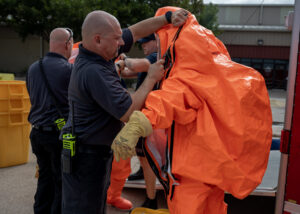
Some skills are practiced regularly, while other critical subjects may receive less frequent attention. According to the survey figures:
-
68% of respondents reported training in hazardous materials annually or less often.
-
58% reported training in technical rescue annually or less often.
-
48% report training on Mayday, firefighter survival, and rapid intervention annually or less often.
Infrequent training does not automatically mean firefighters are unprepared. However, it raises an important planning question: how can departments maintain familiarity with critical procedures when opportunities for full-scale exercises are limited?
Training Officers can help by incorporating focused knowledge reviews, scenario discussions, and regular skills practice into the annual training plan. These activities complement—not replace—the practical exercises, equipment, and specialized instruction required for operational competency.
Practical Ways to Make Training Time Count
The survey findings offer Training Officers an opportunity to review how training is planned, delivered, and evaluated. Consider these approaches:
-
Break complex subjects into manageable sessions. Shorter learning segments can help crews review important concepts without requiring every topic to fit into one lengthy session.
-
Use structured lesson plans and learning objectives. A clear framework helps instructors focus on what members should know or be able to do.
-
Pair instruction with practice. Videos, presentations, and discussion can introduce or reinforce concepts, while practical exercises allow members to apply what they have learned.
-
Build evaluation into the process. Written assessments, skills checklists, and instructor observation can help identify where additional review or practice is needed.
-
Document training consistently. Maintain appropriate records of participation, assessments, and practical evaluations to support accountability and future planning.
These steps can help departments make better use of available resources while maintaining a focus on meaningful learning and operational readiness.
How Action Training Systems Supports Training Officers
 Training Officers don’t have to build every lesson, presentation, or assessment from scratch. Action Training Systems (ATS) offers fire and EMS training resources designed to support organized instruction and help departments work within their available time and resources.
Flexible Training Delivery
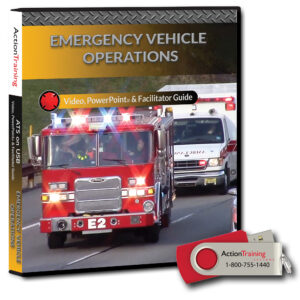 ATS provides training through DVD, USB, streaming on-demand video, and interactive courses. Depending on the course and delivery format, instructors can incorporate these resources into station-based sessions, scheduled classes, or self-directed learning. This flexibility helps departments deliver classroom instruction and knowledge reviews without requiring every session to take place at an outside training facility.
Standards-Based Instruction
ATS training resources address recognized industry standards and requirements relevant to specific courses,
including NFPA standards and OSHA HAZWOPER requirements where applicable. Supporting materials such as Facilitator Guides, course outlines, PowerPoint presentations, and NFPA standards matrices help instructors organize instruction and connect course content with relevant training requirements.
 (Note: Training Officers should always verify the applicable standard, edition, and local requirements for each course.)
Resources for High-Risk Training Topics
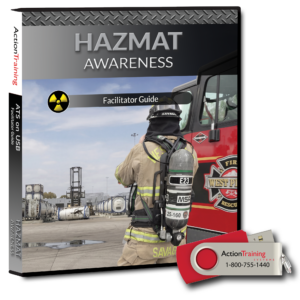 ATS offers multi-title training series in areas including hazardous materials response, EMS, firefighter survival, and fire operations support. These resources give instructors an organized starting point for delivering instruction on complex subjects. They can also help reduce the time spent developing supporting materials, allowing instructors to focus on discussion, practical application, and evaluation.
Support for Instructors at Every Experience Level
Not every department has a dedicated training staff or an instructor with extensive experience in every subject area. ATS resources include Facilitator Guides, lesson materials, written assessments, skills checklists, and other supporting materials, depending on the course. These tools help instructors prepare lessons, reinforce key concepts, and evaluate learning more consistently.
 While they don’t replace instructor qualifications, practical experience, or hands-on evaluation, they help instructors deliver structured training with a clearer plan and supporting resources.
Give Your Crew More Opportunities to Train
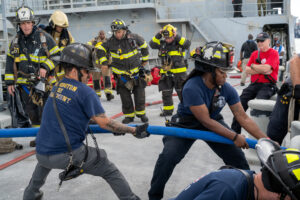
Firefighters want to improve their skills and prepare for the demands of the job. The challenge for Training Officers is finding practical ways to deliver consistent instruction despite competing demands on time, staffing, and resources. A well-organized training program doesn’t depend on one format or one long session. It combines
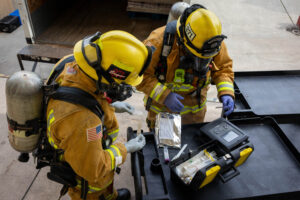 appropriate instructional resources, practical exercises, meaningful evaluation, and consistent documentation to support continued learning.
Explore Action Training Systems’ fire and EMS training resources to see how structured video courses and supporting instructional materials can help you plan and deliver your department’s training.
*The appearance of U.S. Department of War (DoW) visual information does not imply or constitute DoW endorsement


