
Guest Blog written for ATS by Robert Avsec
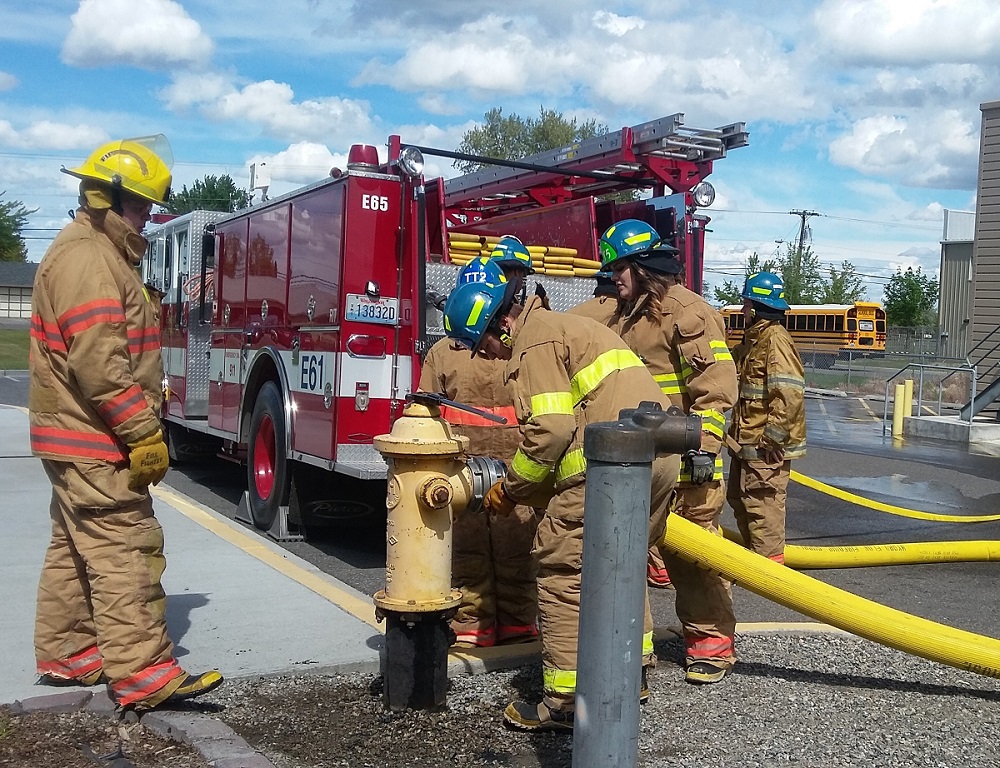 Adults are different than children.
Especially when it comes to the classroom. The difference is defined by the two primary fields of education: andragogy and pedagogy. Successful teachers and trainers of adult learners have an appreciation for the differences between andragogy and pedagogy. This appreciation, and understanding, enables those instructional leaders to keep their adult students motivated and engaged in the learning process.
Fundamentals
Creating a positive learning environment for adults does not happen by accident; it is the direct result of actions taken by instructors who understand how adults learn best. The characteristics of such a positive learning environment are trust, open communication and shared learning experiences. Successful adult educators maintain the positive nature of the environment by using the existing knowledge and skill of their students. Instructors must respect and support the fundamental aspects of such an environment by:
• Knowing the differences between andragogy and pedagogy;
• Understanding how the adult student functions in the classroom; and
• Having a willingness and commitment to communicate with adult students in a way that promotes open exchanges between the instructor and the student.
What are Andragogy and Pedagogy?
Children don’t know much when they enter the classroom. It’s logical that they would learn from someone with more knowledge and intellect. This educational model known as pedagogy; the Greek translation of the word is literally, the process of “leading the child.” In pedagogy, the instructor is the center of the learning environment and all knowledge comes from the teacher (The “sage on the stage”, if you will).
The approach for working with adult learners is a completely different “ballgame.” Those adult learners are more successful when their instructor uses a model for adult education or andragogy.
Malcolm Shepherd Knowles (1913 – 1997) was an American educator well known for the use of the term andragogy as synonymous to adult education [1]. Andragogy incorporates the tremendous knowledge and experience that those adults bring to the classroom and uses it to facilitate the learning process of all the students.
Andragogy is a more collaborative approach that incorporates the points of view, knowledge and experience of all members of the classroom. Andragogy puts the student at the center of the learning environment with the instructor serving as a facilitator who helps students to attach new concepts to their existing understanding.
Knowles’ 5 Assumptions of Adult Learners
In 1980, Knowles made 4 assumptions about the characteristics of adult learners (andragogy) that are different from the assumptions about child learners (pedagogy). In 1984, Knowles added the 5th assumption [2].
1. Self-concept
As a person matures, their self-concept moves from one of being a dependent personality toward one of being a self-directed human being.
2. Adult Learner Experience
As a person matures, they accumulate a growing reservoir of experience that becomes an increasing resource for learning.
3. Readiness to Learn
As a person matures, their readiness to learn becomes oriented increasingly to the developmental tasks of their social roles.
4. Orientation to Learning
As a person matures, their time perspective changes from one of postponed application of knowledge to immediacy of application. Accordingly, their orientation toward learning shifts from one of subject-centeredness to one of problem centeredness.
5. Motivation to Learn
As a person matures their motivation to learn is internal.
In 1984, Knowles suggested four principles that can be applied to adult learning [3].
1. Adults need to be involved in the planning and evaluation of their instruction.
2. Experience (including mistakes) provides the basis for the learning activities.
3. Adults are most interested in learning subjects that have immediate relevance and impact to their job or personal life.
4. Adult learning is problem-centered rather than content-oriented.
In practical terms, andragogy means that instruction for adults needs to focus more on the process and less on the content being taught. Strategies such as case studies, role playing, simulations, and self-evaluation are most useful. Instructors adopt a role of facilitator or resource rather than lecturer or grader [4].
Those instructors do this by leading discussions, assigning projects that weave experience together with new information and by helping students draw analogies to events or information in their lives with the information being taught.
The Instructor’s Approach to Adult Learning
Instructors who use the andragogy model can gain a different perspective on creating a positive learning environment for their adult learners. When students that make mistakes in the pedagogical learning model, they are often criticized, corrected and told what to do.
Such a response with adult learners is counterproductive. Instructors who use the andragogy model help adult students identify their own mistakes and facilitate improved understanding and performance. Instructional leaders for adults should use the following guidelines to create and maintain a positive learning environment [5].
• Treat students as adults and recognize their existing skill and experience;
• Set clear and meaningful expectations for adult students;
• Avoid creating an environment that results in hostility; and
• Address errors privately and respectfully.
Maintaining a Positive Environment
Remember to treat adult learners as adults. Unlike children, adults are unaccustomed to feeling helpless. When key information about the layout of the class, the expectations of the instructor, or other germane information is withheld, the adult student will often feel helpless.
This is a dangerous mistake because it can cause conflict or withdrawal. Instructors should be conscious of this factor and work to avoid such circumstances by creating an environment of clear expectations, open dialogue, and professional feedback.
Instructors should provide feedback to adults with sensitivity and tact. They should provide feedback that is clear and actionable and they must deliver it privately. Public criticism of an adult learner is viewed as disrespectful and hostile and often results in a breakdown in communication.
These facts do not absolve an instructor of his or her responsibility to make sure that students understand mistakes they have made. Instructors can inform students of mistakes and help maintain a positive environment by providing feedback to the student in a private forum.
Accentuate the Andragogy
The andragogy model provides an important set of guidelines for all instructors to use with their adult learners. These guidelines are central to maintaining a positive learning environment and to maintaining communication. Using the andragogy model may seem uncomfortable for instructors, especially for those instructors who have experienced only the pedagogy model as a student themselves.
Good instructors, however, realize that their primary concern should be what’s best for their adult learners. With those interests in mind, instructional leaders for adults should maximize the powerful features of andragogy. In doing so, those instructors will improve class interaction and maintain a positive learning environment.
References
1. eLearningIndustry. The Adult Learning Theory—Andragogy—of Malcolm Knowles. https://elearningindustry.com/the-adult-learning-theory-andragogy-of-malcolm-knowles.
2. Ibid.
3. Ibid.
4. InstructionalDesign.org. Andragogy (Malcolm Knowles). http://www.instructionaldesign.org/theories/andragogy.html
5. Ibid.
For more information on Action Training Systems video resources call 800.755.1440 ext 3 or email info@action-training.com
 Battalion Chief Robert Avsec (Ret.) served with the Chesterfield (Va.) Fire & EMS Department for 26 years. He was an active instructor for fire, EMS, and hazardous materials courses at the local, state, and federal levels, which included more than 10 years with the National Fire Academy. Chief Avsec earned his bachelor of science degree from the University of Cincinnati and his master of science degree in executive fire service leadership from Grand Canyon University. He is a 2001 graduate of the National Fire Academy’s Executive Fire Officer Program. Since his retirement in 2007, he has continued to be a life-long learner working in both the private and public sectors to further develop his “management sciences mechanic” credentials. He makes his home near Charleston, W.Va.


