
The IAFF Designates January as Firefighter Cancer Awareness Month
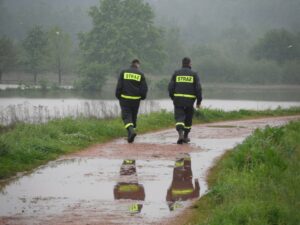
The International Association of Fire Fighters (IAFF) and the Firefighter Cancer Support Network (FCSN) have declared January as Fire Fighter Cancer Awareness Month.
 These organizations have put together a variety of resources for training and education. To reduce risk it’s important to understand the ways that contamination occurs on the fireground. Knowing the types of contamination, and ways to reduce exposure can go a long way in preventing unnecessary exposure and help reduce the risk of firefighters developing cancer. Fortunately, there has been a lot of research done on this important topic and it continues.
 Exposure Risks & Cancer Research
 Exposure Risks & Cancer Research
Occupational risks have centered around preventing exposure to blood and body fluids in emergency services. However, we now know that occupational exposures to products of combustion in firefighting activities are just as hazardous.
Research has found that, compared to the general population, firefighters have a 9% greater chance of being diagnosed with cancer and a 14% chance of dying from it. Studies also have found that firefighters have an increased risk for some specific types of cancers. Now that agencies are aware of these hazards, it’s time to look at the sources of exposure, and start to minimize them.
 Firefighter Exposure Sources

Firefighters are repeatedly exposed to environments filled with known and unknown chemicals, carcinogens, and toxins. Unfortunately, it is not possible to control the atmosphere or environment where firefighters work, so finding ways to protect them against unnecessary exposures is critical.
Based on the research, there are five areas to concentrate on for finding ways to mitigate the risk of exposures.
-
-
- Fireground Exposures
- Personal Protective Equipment
- Station Protocols
- Individual, Environment & Lifestyle Choices
- Department Policies & Responsibilities
-
#1. Fireground Exposures

SCBA should be worn during all aspects of firefighting activities including size-up, ventilation, and overhaul. Always wash hands thoroughly before eating any food.

Remove as much soot as possible from the head, neck, jaw, throat, underarms, and hands immediately and continually while on scene. Store contaminated PPE and other gear in outside compartments of apparatus, minimize contamination of the interior of the apparatus as much as possible.
#2. Contamination From Personal Protective Equipment

Understand that PPE is a potential source of carcinogen exposure and should be treated with caution. Implement a program for intensive inspections of PPE. Perform gross field decontamination of PPE to remove as much soot and particulates as possible. Hoods are particularly subject to contamination and have direct contact with the skin so these should be cleaned or replaced regularly.
#3. Station Safety Protocols Help Prevent Exposure
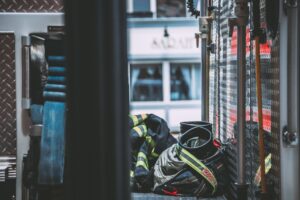
In the station, the focus should be on maintaining separation from contaminated gear, There should be protocols in place that require firefighters to shower as soon as possible after a fire scene exposure. Specific areas of the station such as sleeping quarters and living areas should be designated as “clean zones” and protected from contamination.
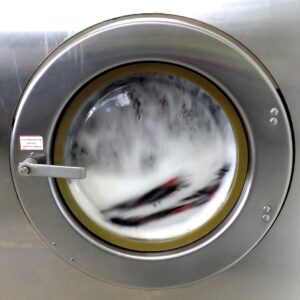 Contaminated clothes should be stored in a protected environment until they can be washed. The interior and exterior of the apparatus should also be decontaminated.
#4. Solid Department Policies & Responsibilities That Reduce Risk
 Chiefs and other agency leaders must build systems, SOPs and support a comprehensive culture and climate of safety. Lead by example, and make risk reduction a priority.
#5. Individual, Environment & Lifestyle Choices Improve Health
 Research shows that your environment, diet, and lifestyle, have a direct effect on health. Focusing on your health and fitness and limiting exposures within the areas that you can control can have a positive impact. Don’t smoke or chew tobacco products, always use sunscreen or sunblock, and protect yourself as much as possible at the fire scene. Never bring contaminated gear home or store it in your vehicle.
Training & Information Resources Help Increase Exposure Awareness

The IAFF and the FCSN have created many presentations, fact sheets, and case studies to use during the month to bring awareness to firefighter cancer. But don’t limit your use of these materials, they can be used all year long to help motivate your crew to take better care! With knowledge comes power, it also can lead to prevention. Reducing personal risk is a huge step in firefighter personal protection.


Along with the resources from the IAFC, and FCSN, the first title “Firefighter Safety” in Action Training Systems’ 23-part series “Firefighting Basics: Firefighter I“, presents an overview of fire department and firefighter responsibilities under NFPA 1500. Health, fitness, and mental wellness are emphasized for firefighter safety, as are ways to limit your exposure to cancer-causing risks and other workplace hazards. View a sample here.
More Information, Resources & References
- IAFC – Finding Facts & Preventing Cancer
- NIOSH Firefighter Resources: Cancer and Other Illnesses
- Firefighter Cancer Rates: The Facts from NIOSH Research
- IAFF Fact Sheets For Cancer Awareness Month
- Cancer & Smoke Exposure
- Fire Station Design
- Clean Cab to Prevent Exposure
- Modifiable Risk Factors
- CDC Firefighter Cancer & Other Illnesses
- Firefighter Safety Through Advanced Research (FSTAR)
- Firefighter Cancer Support Network (FCSN)


